

Signs It's Time to File for Bankruptcy in Pennsylvania and New Jersey
Top Bankruptcy Attorneys and Home Foreclosure Defense Attorneys.
Over 750 ★★★★★ Google Reviews

Contact Our Attorneys Today




Signs it may be time to file for bankruptcy when all your debts grow beyond what your income and assets can reasonably handle. If bills, collection action, and rising credit card balances create circumstances you can’t recover from, deciding when to file bankruptcy may be an option to help stabilize and stop creditor action.
If you need help determining when to file for bankruptcy in Pennsylvania or New Jersey, consult our bankruptcy attorneys during a free consultation. To talk to an experienced bankruptcy attorney, fill out the contact form, or call 215-545-0008 (Pennsylvania) or 856-890-9003 (New Jersey).
Signs You Can't Maintain Debt Payments
If you can no longer make minimum payments, your monthly payment balance keeps increasing, or you routinely miss payments to cover other monthly payments, that’s a clear sign that you’re drowning in large debts. If you’re having trouble paying, bankruptcy may be the best option for a fresh start.
You're Facing Foreclosure, Repossession, or Wage Garnishments
If you’re facing foreclosure, your lender is threatening to repossess your motor vehicle, or wages are being garnished, filing for bankruptcy may be necessary. Filing bankruptcy can stop all of these through an automatic stay. This gives you time to reorganize finances or eliminate unsecured debt.
You're Going Into More Credit Card Debt to Pay for Basic Necessities
When you consistently use credit to pay for groceries, utilities, or other essential monthly payments, this is a warning sign that you no longer have enough income to meet your family’s basic needs. Using credit to make monthly payments necessary for survival only leads to massive credit card bills. In many cases, filing for bankruptcy is the only viable option.
Denied For Debt Consolidation Programs Due to Credit Score
If you were denied for debt consolidation because of a low credit score, this is a strong sign that you need to file for bankruptcy. When lenders see your credit history as too risky to approve a consolidation loan, it means the other options no longer apply to you. When you don’t have access to lower-interest refinancing or a structured repayment plan, filing bankruptcy is the most realistic way to regain control and stop balances from growing.
When Should You File For Bankruptcy in Complex Financial Situations
Medical Bill Debt Obligations
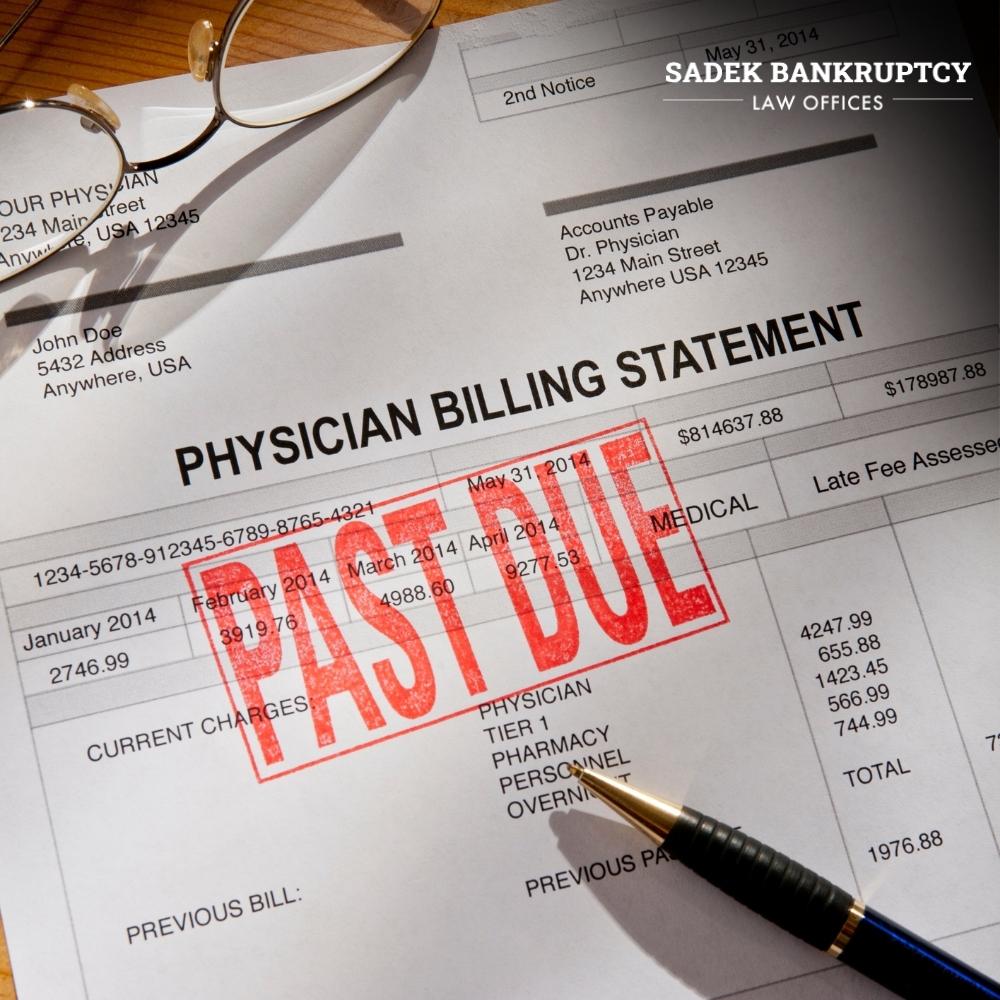
You should consider filing for bankruptcy when unpaid medical bills exceed ten thousand dollars, insurance doesn’t cover ongoing treatment, and emergency room visits create debt you cannot manage. If your medication expenses continue to rise and you can’t afford essential healthcare, filing bankruptcy can help eliminate overwhelming debt from medical bills.
Job Loss and Income Reduction
Filing for bankruptcy may be necessary when unemployment lasts more than three months, your hours or pay have been significantly reduced, or you lose benefits that previously helped you stay current on bills. If you’ve exhausted unemployment benefits and savings, declaring bankruptcy can help relieve the stress of being unemployed.
Divorce and Family Financial Crisis
You may need to file for bankruptcy when a divorce leaves you with more marital debt than you can repay, or when child support and alimony obligations become unmanageable. If legal fees strain your budget or you are attempting to maintain two households on a single income, filing bankruptcy can help reorganize or eliminate debt and restore financial stability.
When to File for Bankruptcies by Type
When Should You File For Chapter 7 Bankruptcy?
Chapter 7 bankruptcy is the best choice when your income falls below the state’s median levels, you don’t have significant assets to protect, and your main issues are unsecured debt, like credit card debt, or personal debt. If you need immediate relief from creditors and can’t make minimum payments, Chapter 7 bankruptcy can quickly discharge qualifying unsecured debt payments..
Median income limits change each year and vary based on household size. The most current figures are listed in the Census Bureau Median Family Income By Family Size table maintained by the U.S. Department of Justice.
When to File Bankruptcy Chapter 13
Filing Chapter 13 bankruptcy is the best solution when you’re behind on mortgage payments but want to keep your home, have enough resources for a three to five-year payment plan for mortgage arrears, or you own non-exempt assets you wish to protect.
Chapter 13 bankruptcy is also the only viable option when you’ve previously gone through the Chapter 7 bankruptcy process in the past eight years and you’re not eligible to file bankruptcy again.
Bankruptcy Timing and Exemptions
Pennsylvania Bankruptcy Cases
Pennsylvania doesn’t offer a specific homestead exemption amount. Many people filing for bankruptcy choose exemptions under federal law because they usually protect more home equity and property. Here, bankruptcy timing matters because courts can review any property transferred before you decided to declare bankruptcy. In Pennsylvania, married couples may receive additional protection for jointly owned homes or property.
Additionally, Pennsylvania has weak wage-garnishment protections, but filing for bankruptcy will usually stop a garnishment quickly. Filing for bankruptcy doesn’t wipe out family court obligations, so choosing the best option for bankruptcy timing is crucial. Contact a Pennsylvania bankruptcy lawyer to learn more.
New Jersey Bankruptcy Cases
New Jersey offers personal property exemptions up to $1,000 and limited homestead exemption protections. So many people filing for bankruptcy choose federal exemptions or wildcard exemptions, depending on their personal situation and exactly which debtor’s assets need to be protected. In New Jersey, bankruptcy timing is important to get the maximum exemption. New Jersey also requires a 90-day pre-foreclosure notice and a defined sheriff’s sale process. Declaring bankruptcy can halt foreclosures immediately. Those filing for bankruptcy in New Jersey should understand how the redemption period works when deciding when to file for bankruptcy.
When Can You File for Bankruptcy Again?
You can file bankruptcy again, but the time period depends on the type of bankruptcy and what type you want now.
After a Chapter 7 bankruptcy, you must wait:
- Eight years for Chapter 7 bankruptcy.
- Four years for Chapter 13 bankruptcy.
After a Chapter 13 bankruptcy, you must wait:
- Two years for Chapter 13 bankruptcy
- Six years for Chapter 7 bankruptcy, unless your repayment plan covered large debt payments in the previous Chapter 13 bankruptcy.
These rules only apply to those filing bankruptcy who want another discharge. The bankruptcy process can occur sooner, but under the Bankruptcy Code, your debts won’t be forgiven until the required time has passed.

What Happens When You File Bankruptcy in Pennsylvania and New Jersey?
When you declare bankruptcy, the court begins a legal proceeding that immediately halts lawsuits, collection efforts, and any attempts to seize cash or personal belongings. Courts look at what property has value, whether or not they can liquidate, and what assets you can keep. This gives overwhelmed individuals a legal tool to get rid of debts. They are no longer liable for specific repayments.
Most essentials like furniture and clothing are protected, and some assets, such as pensions and certain liens, remain untouched. Both common types of bankruptcy can impact your credit report for up to seven years. However, it also offers a chance to reset your finances and prevent larger consequences. With the right advice, you can explore your alternatives and proceed with a clear understanding of the outcome.
To learn more about the advantages of filing bankruptcy, and whether Chapter 13 or Chapter 7 could be the right solution for you, call Sadek Bankruptcy Law Offices at (215)-545-0008 for a free legal consultation. We will keep your information confidential.
What Do You Lose When You Declare Bankruptcy?
When a person files bankruptcy, what they lose depends on whether they are using the Chapter 7 bankruptcy or the Chapter 13 process. However, certain risks apply to both of the most common types of bankruptcy.
In Chapter 7 bankruptcy, you may lose non-exempt property. Examples can include personal property not protected by exemptions, like high-equity vehicles, second homes, luxury items, expensive jewelry, or money in bank accounts above exemption limits. The bankruptcy trustee can sell non-exempt assets to repay creditors.
In Chapter 13 bankruptcy, you generally keep your property, but you must commit to a three-to-five-year repayment plan. You do not lose assets, but you lose disposable income during the repayment period.
In both types of bankruptcy, you may lose access to credit for a short duration, experience drops in credit records, and be required to disclose this on future loan, housing, and employment applications where legally allowed. Child support, alimony, taxes, and student loans usually cannot be eliminated, so those obligations remain after bankruptcy.
Pre-Planning and The Bankruptcy Filing Process
What is a Bankruptcy Trustee? Their Role in the Bankruptcy Process
Bankruptcy courts appoint a person, called a bankruptcy trustee, to oversee bankruptcy cases. After you gather financial documents, they look over the paperwork, check your income, assets, and debts to confirm everything is correct.
In Chapter 7 bankruptcy cases, they look for any non-exempt property that can be sold to pay creditors.
In Chapter 13 bankruptcy cases, they collect the monthly payments from your repayment plan and distribute them to creditors.
Bankruptcy trustees also conduct meetings with creditors, ask questions about your financial situation, and ensure you follow bankruptcy court orders throughout the process.
Credit Counseling Requirements
You must complete credit counseling sometime within a 180-day window before filing for bankruptcy. The credit counselor must be from a bankruptcy court-approved agency. After you complete credit counseling, you’ll get a certificate that must be included with your case. It expires after 180 days.
In urgent financial situations, such as facing foreclosure or having their wages garnished, the court may allow people to start first and complete the counseling shortly afterward.
Asset Transfers and Preferential Payments
Bankruptcy courts review certain payments and property transfers made before bankruptcy. If you repaid a creditor 90 days before filing bankruptcy, the trustee may take the creditor’s money back because this is considered a “preferred” payment. If you repaid a family member or friend, the court reviews this for a longer period, up to a year.
Courts also look at any property given away or transferred within the past two years to ensure this wasn’t done to hide assets. Additionally, tax refunds can be affected under federal law.
Emergency Bankruptcy Filing Situations
The emergency or “skeleton” bankruptcy filing process is the fastest way to start when people are facing emergency personal situations, such as being at risk of losing their home, for example. Here, courts allow you to submit only the minimum forms to activate the case.
This typically includes:
- Bankruptcy Petition (Form 101)
- Creditor Mailing Matrix
- Credit Counseling Certificate
- Statement of Social Security Number
Once the court gets the case, the automatic stay goes into effect immediately.
However, you’ll still need to gather financial documents, like paycheck stubs, bank statements, tax returns, a list of your debts and assets, and monthly expenses, to submit 14 days afterward.
Facing Immediate Foreclosure
Both Pennsylvania and New Jersey are judicial foreclosure states. The process of emergency bankruptcy petitions differs by state.
For a Pennsylvania foreclosure, you must first send Act 6 or Act 91 notices. Then, you have twenty days to respond. Pennsylvania sheriff’s sales can’t be scheduled until at least 60 days after a judgment for a secured debt. However, the bankruptcy must begin before the sheriff announces the sale.
For New Jersey emergency foreclosures, a 30-day Notice of Intent to Foreclose is required beforehand. You have 35 days to respond. If you default on mortgage payments, judges can issue final judgments on secured debts. In New Jersey, sheriff’s sales can be scheduled 45 days after the sale. However, bankruptcy halts the sale immediately.
Immediate Eviction Threats
For Pennsylvania evictions, courts schedule hearings after 7-15 days. If a tenant is evicted, judges can issue an Order for Possession within 10 days. After another 10 days, a lockout can occur. This means landlords can evict tenants in 17-30 days. However, in Pennsylvania, bankruptcy halts this only if a judgment of possession hasn’t yet been entered.
New Jersey evictions move faster. Courts can schedule hearings after 14 days. If a tenant loses, the judge can issue a Warrant for Removal within 3 business days. Tenants can be removed 3 days after that. However, bankruptcy can stop this unless a judgment for possession already exists.
Wage Garnishment Emergencies
Federal court regulations for wage garnishments apply to both states.
- Child support garnishments begin within 7–14 days after the employer gets the order.
- IRS wage levies can begin 15 days after the Final Notice of Intent to Levy.
- States can garnish student loan debt after 30 days, plus 7–14 days for employer processing.
Bankruptcy does not stop child support garnishment. However, bankruptcy does stop IRS garnishment and discharges student loan debt.
For Pennsylvania wage garnishment:
- This isn’t allowed for ordinary debts
- State tax garnishment can start 10 days after the notice
- Judgment for unpaid rent can start on the next paycheck
In Pennsylvania, bankruptcy stops wage garnishment for everything except family court obligations.
For New Jersey wage garnishment:
- Is allowed for most unsecured debts
- Creditors can request wage execution 10 days after judgment
- Employer begins withholding 10–30 days after getting the order
- Garnishment amount is the lesser of 25% of disposable income or all income 250% above the poverty line.
Bank Levy Emergencies
Federal court regulations for bank levies apply to both states.
- Bank levies require a creditor judgment.
- Accounts freeze immediately after the bank receives the levy
- Bankruptcy must be filed before turnover to halt the loss of funds
- Federally exempt funds, like VA, Social Security, SSI, and VA payments, for example, are still frozen temporarily.
These levies follow federal timing:
- IRS must wait 30 days after the Final Notice
- Banks cannot turn over IRS-seized funds until after 21 days
- Bankruptcy during the 21-day hold releases the funds
For Pennsylvania bank levies:
- Accounts freeze immediately when the levy hits the bank
- Bank mails paperwork within 2–5 days
- Turnover to creditors occurs 5–15 days after freeze
- Funds eligible for exemption may remain frozen up to 30 days
- Bankruptcy unfreezes the account unless turnover has already happened
For New Jersey bank levies:
- Accounts freeze within 24–48 hours of the levy reaching the bank
- Bank mails paperwork within 2–3 business days
- Turnover can occur after seven business days
- Bankruptcy removes the freeze if filed before turnover
What Kind of Loan Debt is Not Alleviated When You File for Bankruptcy?
Bankruptcy doesn’t wipe out all debt. Under federal and state bankruptcy laws, family court debts, tax debt, federal student loan debt, and other debts from specific government-imposed fines and penalties, like traffic tickets, for example, aren’t included in your “clean slate.”
Does Bankruptcy Forgive Student Loans?
While bankruptcy forgives the most common types of debt, it doesn’t automatically erase student loan debt. However, if a court determines that repaying student loan debt imposes “undue hardship,” they can be discharged in Chapter 13 or Chapter 7 bankruptcy. There is a high burden of proof under bankruptcy laws, so most of the time, this survives bankruptcy discharges.
Call a student loan bankruptcy lawyer at our law firm to learn more.
Does Bankruptcy Clear Tax Debt?
Income tax debt can be discharged in bankruptcy when the:
- Debt is income tax
- Return was filed 2 years or more before the bankruptcy petition
- Debt itself is at least 3 years old
- IRS assessment was made at least 240 days beforehand
- Person has no fraud or willful evasion
Call an IRS bankruptcy attorney to determine your legal options and help negotiate different types of discharges.
Can You File Bankruptcy on Child Support or Alimony?
No, Chapter 7 and Chapter 13 bankruptcy do not discharge family court debts. Under Bankruptcy Code § 523(a)(5), debts for a spouse, former spouse, or child, in connection with a divorce or separation agreement, cannot be discharged under any type of bankruptcy.
Contact our New Jersey and Pennsylvania Bankruptcy Attorneys For a Free Consultation
Our Pennsylvania and New Jersey bankruptcy attorneys can look at how much debt you have, what your credit report looks like, and help you decide which type of bankruptcy makes sense, depending on your unsecured and secured debts. The common types of bankruptcy don’t automatically force the liquidation of your home, car, or other property.
In Chapter 7 bankruptcy, only specific assets are at risk. While in Chapter 13 bankruptcy, you typically keep everything while restructuring any owed money through repayment plans. Most people can typically stop making payments on unsecured debts that will be discharged. However, you must continue making payments on secured debts you want to keep.
Our bankruptcy attorneys will also review each bank account balance and your interest rates to determine whether keeping the collateral or surrendering it reduces the amount owed or remains unsustainable given your financial situation.
Consult an experienced bankruptcy attorney to learn more. Our bankruptcy lawyers offer free consultations to help relieve the pressure of preparing for potential proceedings. For help navigating, fill out the contact form, or call 215-545-0008 (Pennsylvania) or 856-890-9003 (New Jersey).