

Bankruptcy Attorney Ocean County
Top Bankruptcy Attorneys and Home Foreclosure Defense Attorneys.
Over 750 ★★★★★ Google Reviews

Contact Our Attorneys Today





EVALUATION
At Sadek Bankruptcy Law Offices, we realize that every situation is different. Our debt relief lawyers will take the time to learn about your situation and your goals. Our objective is to explain your legal options and offer the best debt relief strategy for you in the most compassionate and friendly manner possible. Call 24/7 to schedule your meeting with a lawyer.

AVAILABLE
Our office understands the financial stress our clients endure. Therefore, in addition to reasonable legal fees, we offer a payment plan to all of our valued clients to make quality legal services most affordable.

AND NJ
In addition to our primary law office in Center City, Philadelphia, we also have law offices throughout the Greater Philadelphia, Pennsylvania Area and in New Jersey. Our branch offices have contributed to making us the #1 Bankruptcy Filer and debt relief firm in the Greater Philadelphia area. Our goal is to have a convenient location within 20 minutes of where our clients work or reside.
Sadek Bankruptcy Law Offices Helps Individuals and Families in Ocean County Regain Financial Stability Through Bankruptcy Solutions
Bills can pile up quickly after a job loss, medical emergency, divorce, or business setback. A bankruptcy attorney in Ocean County may help you stop collection pressure before creditors take your paycheck, your car, or your home.
At Sadek Bankruptcy Law Offices, our law firm helps consumers and families throughout Ocean County, New Jersey, pursue debt relief through federal bankruptcy protections. Filing bankruptcy may stop foreclosure actions, wage garnishments, repossessions, creditor harassment, sheriff sales, and collection calls through the automatic stay under the Bankruptcy Code. Our bankruptcy law firm works with clients across Ocean County, Monmouth County, Essex County, and surrounding parts of NJ.
Debt problems rarely improve on their own. Interest grows. Collection pressure increases. Missed payments can affect your credit, finances, and daily life. Taking action early may help protect your assets and create a path toward a fresh start.
Our bankruptcy attorneys discuss Chapter 7 bankruptcy, Chapter 13 bankruptcy, debt settlement, and other debt relief services based on your financial situation. Contact Sadek Bankruptcy Law Offices by phone at (856) 890-9003 or online to schedule a free bankruptcy consultation with an Ocean County bankruptcy lawyer.
Signs It May Be Time to Consider Filing Bankruptcy
Some people wait too long before speaking with a bankruptcy attorney. By the time they contact a law office, creditors may already have filed lawsuits, started foreclosure proceedings, or obtained wage garnishments.
There are several warning signs it’s time to file for bankruptcy in New Jersey that should be discussed with an experienced NJ bankruptcy lawyer. You may struggle to keep up with minimum monthly payments on credit cards or personal loans. Interest charges can make balances grow even when you continue to pay each month. Falling behind on mortgage payments, utility bills, or vehicle loans may place your property at risk. Some families in Ocean County face foreclosure after only a few missed payments. Using credit cards for groceries, gas, or daily living expenses may show that debt has become unmanageable.
Collection calls, lawsuits, bank levies, repossessions, liens, and creditor harassment may create stress for your family. Bankruptcy relief may stop these collection efforts in some situations.
Bankruptcy Law and Federal Protections for New Jersey Residents
Federal bankruptcy law gives debtors legal protections under the United States Bankruptcy Code. Bankruptcy cases filed in Ocean County generally proceed through the United States Bankruptcy Court for the District of New Jersey.
Bankruptcy law helps qualified individuals reorganize debt or eliminate certain financial obligations. Depending on the chapter filed, bankruptcy can provide relief from unsecured debt, stop collection activity, and create repayment plans.
Many consumers do not fully understand their rights before filing bankruptcy. Speaking with a knowledgeable attorney from our New Jersey bankruptcy law firm early may help you avoid mistakes that affect your case. An Ocean County bankruptcy attorney can help you understand bankruptcy laws in New Jersey, review your income, debts, assets, and property, before recommending a legal strategy.
The Automatic Stay and Immediate Relief From Creditor Actions
One of the strongest protections under bankruptcy law is the automatic stay under 11 U.S.C. § 362. The automatic stay generally begins immediately after filing bankruptcy. This federal court protection may stop foreclosure proceedings, wage garnishments, repossessions, collection calls, pending lawsuits, sheriff sales, and bank levies.
For example, a debtor in Ocean County who faces a scheduled sheriff sale may obtain temporary relief after a bankruptcy petition is filed with the bankruptcy court.
The automatic stay may also prevent creditors from contacting you directly to collect debt. In some cases, creditors may ask the bankruptcy court for permission to continue collection activity. A bankruptcy judge may allow certain actions to proceed depending on the circumstances.
Chapter 7 Bankruptcy for Fast Debt Relief
How Chapter 7 Bankruptcy Eliminates Certain Debts
Chapter 7 bankruptcy may help qualified individuals eliminate unsecured debt such as credit card debt, personal loans, medical bills, and some judgments. During Chapter 7 proceedings, a bankruptcy trustee reviews the debtor’s finances, assets, income, and property. The trustee may identify non-exempt assets that could be sold to pay creditors. Most Chapter 7 cases in New Jersey involve debtors who keep exempt property and receive a discharge within several months.
After discharge, creditors generally cannot continue collection efforts on eligible debts.
Qualifying for Chapter 7 Bankruptcy
Not everyone qualifies for Chapter 7 bankruptcy. The Bankruptcy Code includes a means test under 11 U.S.C. § 707(b). This test compares household income against median income levels in New Jersey. Income, household size, monthly expenses, and financial obligations may affect eligibility. Accurate financial records matter during the bankruptcy process. Missing information or incomplete disclosures may create delays or legal problems.
An Ocean County Chapter 7 bankruptcy lawyer can review your financial records carefully before filing bankruptcy.
Protecting Property During Chapter 7 Proceedings
New Jersey residents may use certain federal bankruptcy exemptions to protect property during Chapter 7 bankruptcy proceedings. Exemptions may help protect retirement accounts, household goods, personal property, vehicles, and some home equity.
However, non-exempt assets may still face liquidation by the bankruptcy trustee. A New Jersey bankruptcy lawyer can review exemption planning before filing bankruptcy to help protect assets legally allowed under federal law.
Chapter 7 Business Bankruptcy
Some business owners in Ocean County consider Chapter 7 bankruptcy after financial losses, lawsuits, or overwhelming business debt make continued operations impossible. Chapter 7 business bankruptcy may help address unsecured debt and close a failing business through the bankruptcy process. During proceedings, a bankruptcy trustee may review business assets, financial records, inventory, equipment, and outstanding debt. Non-exempt assets may be liquidated to pay creditors.
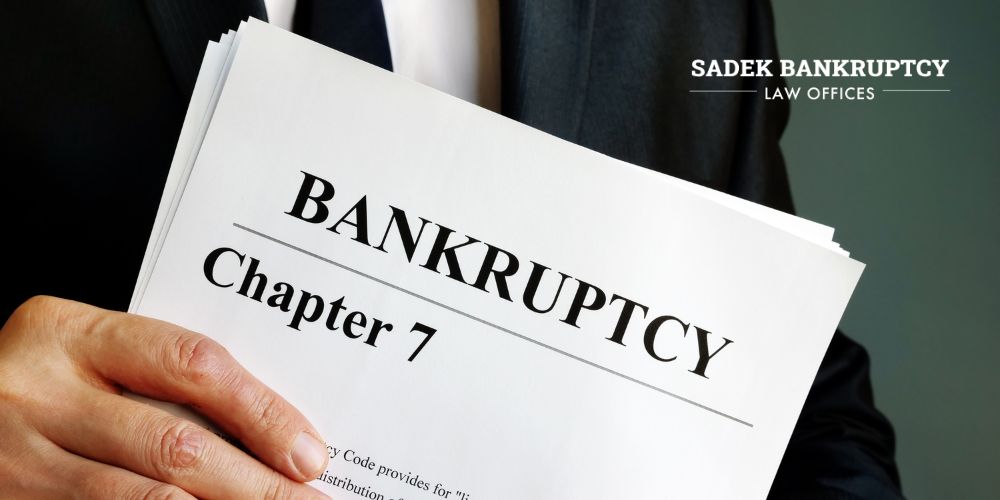
A New Jersey Chapter 7 business bankruptcy attorney can review your business finances, discuss risks involving personal guarantees or assets, and determine whether Chapter 7 bankruptcy fits your financial situation.
Chapter 13 Bankruptcy and Long-Term Debt Reorganization
How Chapter 13 Bankruptcy Helps Protect Assets
Chapter 13 bankruptcy allows debtors to reorganize debt through a structured repayment plan lasting three to five years. This chapter may help homeowners in Ocean County stop foreclosure actions and catch up on missed mortgage payments over time.
Filing chapter 13 bankruptcy in Ocean County, NJ, may also help prevent repossession of a car or other secured property. Some debtors choose Chapter 13 to protect valuable assets that may not qualify for protection under Chapter 7.
Court-Approved Repayment Plans Under the Bankruptcy Code
Repayment plans filed under Chapter 13 must satisfy standards under 11 U.S.C. § 1325. The bankruptcy court reviews whether the debtor has enough income to make plan payments. Stable income matters during Chapter 13 proceedings. Missed payments can place the bankruptcy case at risk of dismissal. The bankruptcy trustee also reviews repayment plans and financial disclosures before plan confirmation.
Situations Where Chapter 13 May Be the Better Option
Some households in New Jersey earn too much income to qualify for Chapter 7 bankruptcy. Chapter 13 may also help debtors who are behind on mortgage payments but want to keep their house. Business owners and individuals with valuable property sometimes choose Chapter 13 bankruptcy to avoid liquidation risks.
A bankruptcy attorney can discuss whether Chapter 7 bankruptcy or Chapter 13 bankruptcy better fits your financial goals.
New Jersey Bankruptcy Exemptions and Asset Protection Rules
New Jersey residents may choose between certain federal bankruptcy exemptions and exemptions also available under New Jersey law. Exemptions play a major role in protecting assets during bankruptcy proceedings. Retirement accounts generally receive strong protection under federal bankruptcy law.
Certain personal property and household items may also qualify for exemption protection. Homeowners in Ocean County should review homestead issues carefully before filing bankruptcy. Exemption planning matters because mistakes may affect property rights during bankruptcy proceedings.
Debt Relief Solutions Beyond Bankruptcy
Debt Settlement and Creditor Negotiations
Some consumers pursue debt settlement instead of bankruptcy. Debt settlement involves negotiating reduced balances or repayment agreements with creditors outside bankruptcy court. This option may help some individuals reduce financial pressure without filing bankruptcy.
However, debt settlement does not always stop lawsuits, foreclosure actions, wage garnishments, or creditor harassment. Speaking with a New Jersey debt relief lawyer may help you determine whether bankruptcy or another debt relief option better fits your financial situation before collection pressure becomes more severe.
Comparing Bankruptcy and Debt Relief Services
Bankruptcy and debt settlement operate differently. Bankruptcy may provide court-ordered protections through the automatic stay and debt discharge. Debt settlement depends on negotiations with creditors and does not always prevent collection actions. Credit reporting, financial goals, income, assets, and overall debt levels may influence which strategy makes sense.
A New Jersey bankruptcy law firm can discuss legal services and debt relief services based on your situation.

Common Financial Problems That Lead to Bankruptcy Filings in Ocean County
Financial problems can develop slowly over time or appear suddenly after a major life event. Many individuals and families in Ocean County struggle with growing debt while trying to keep up with mortgage payments, credit cards, medical expenses, and other financial obligations they can no longer afford.
Some of the most common financial problems that lead consumers to consult a bankruptcy attorney include:
- Credit card debt with high interest rates that continue growing even after regular monthly payments
- Medical debt caused by surgeries, hospital stays, emergency treatment, chronic illnesses, or unexpected healthcare expenses
- Divorce or reduced household income that makes it difficult to pay mortgages, utilities, vehicle loans, or other living expenses
- Job loss or reduced work hours that create immediate financial pressure for families throughout New Jersey
- Business losses or failed investments that leave business owners unable to pay creditors or deal with ongoing financial obligations
- Foreclosure threats, repossessions, wage garnishments, bank levies, or creditor harassment related to unpaid debt
- Using credit cards to cover groceries, utilities, gas, or basic household expenses because income no longer covers monthly costs
According to data from the Administrative Office of the U.S. Courts, thousands of bankruptcy cases are filed in New Jersey each year. Financial hardship affects people from every profession and income level. Speaking with a bankruptcy attorney in Ocean County may help you review debt relief options before financial problems continue to grow.
What to Expect During Bankruptcy Proceedings
Preparing Bankruptcy Petitions and Financial Schedules
The bankruptcy process begins with preparing petitions, schedules, and financial disclosures. Debtors must disclose income, debts, property, assets, expenses, and recent financial transactions. Honesty and accuracy matter during bankruptcy proceedings. Incomplete filings or inaccurate information may create delays, dismissal, or allegations of fraud.
A Sadek bankruptcy attorney can review financial records before documents are filed with the bankruptcy court.
The Meeting of Creditors and Bankruptcy Trustee Review
Most bankruptcy cases include a 341 Meeting of Creditors under 11 U.S.C. § 341. During this meeting, the bankruptcy trustee asks questions about finances, debt, assets, property, and bankruptcy filings. Creditors can attend the meeting, although they rarely appear in routine consumer bankruptcy cases. Debtors must cooperate with trustee requests and provide required documentation.
Bankruptcy Court Hearings and Required Appearances
Some bankruptcy cases require hearings before a bankruptcy judge. Court appearances may involve repayment plan approval, creditor objections, motions involving foreclosure, or disputes involving assets. The bankruptcy judge reviews filings, legal arguments, and Bankruptcy Code requirements before making decisions.
Many Chapter 7 bankruptcy cases move through the court process within several months.
Mistakes That Can Create Problems During the Bankruptcy Process in Ocean County
Using Credit Cards Right Before Filing Bankruptcy
Using credit cards heavily before filing bankruptcy may create problems. Large luxury purchases or cash advances close to the filing date may trigger fraud allegations under bankruptcy law. Creditors and trustees may review recent spending carefully. A bankruptcy attorney can discuss financial activity before filing bankruptcy.
Selling or Transferring Property Before Filing
Some debtors attempt to transfer property before bankruptcy proceedings begin. Federal bankruptcy law under 11 U.S.C. § 548allows trustees to review fraudulent transfers. Attempts to hide assets or transfer property improperly may result in serious legal consequences. Debtors must disclose financial transactions accurately during bankruptcy proceedings. Reviewing important tips before filing bankruptcy in NJ with a bankruptcy attorney may help you avoid mistakes that could affect your case or place your assets at risk.
Ignoring Legal Advice During Bankruptcy Proceedings
Missed deadlines, missing documents, or failure to follow bankruptcy court instructions may place a case at risk. Some debtors lose discharge protections after ignoring filing requirements or repayment obligations. The bankruptcy process in New Jersey includes strict court procedures and financial disclosure requirements that must be followed carefully. Working closely with a bankruptcy lawyer may help avoid avoidable problems during the process.
How a Bankruptcy Law Firm Helps Clients Pursue Financial Stability
A bankruptcy law firm reviews debt, income, assets, and long-term financial concerns before recommending Chapter 7 bankruptcy, Chapter 13 bankruptcy, debt settlement, or other debt relief options. Hiring a bankruptcy lawyer in NJ may help you better understand your legal protections, financial options, and the bankruptcy process before creditors take further action.
Our law office communicates with creditors, prepares bankruptcy filings, and represents clients during bankruptcy proceedings. Sadek Bankruptcy Law Offices works with individuals and families throughout Ocean County who need legal representation and financial relief.
Why Ocean County Residents Choose Sadek Bankruptcy Law Offices
Sadek Bankruptcy Law Offices represents clients throughout New Jersey bankruptcy proceedings. Our law firm provides personalized legal representation focused on practical financial solutions. We understand how foreclosure actions, repossessions, wage garnishments, creditor harassment, and debt pressure affect families across Ocean County.
Our attorneys discuss legal options directly with clients and help them pursue a fresh start under federal bankruptcy law. Financial problems may continue to grow while you wait. Speaking with an Ocean County bankruptcy attorney early may help protect your finances, your property, and your future.
FAQs About Bankruptcy in Ocean County, NJ
Will I lose all of my assets during bankruptcy proceedings?
Most people who file bankruptcy do not lose all of their property. Federal bankruptcy exemptions may protect retirement accounts, vehicles, household items, and other assets.
How does the bankruptcy trustee review my finances?
The bankruptcy trustee reviews income, debt, assets, property, financial records, and bankruptcy disclosures. Trustees may also ask questions during the 341 Meeting of Creditors.
What debts usually cannot be eliminated through bankruptcy?
Certain debts may survive bankruptcy, including some tax obligations, child support, alimony, and most student loans.
How soon can I rebuild credit after bankruptcy?
Many consumers begin rebuilding credit shortly after bankruptcy discharge by making timely payments, reducing debt, and managing finances carefully.
Explore Your Bankruptcy Options With an Ocean County Bankruptcy Attorney Before Debt Problems Escalate
Debt can affect your home, your paycheck, your credit, and your family’s future. Waiting too long to address serious financial problems may lead to foreclosure, repossession, lawsuits, sheriff sales, wage garnishments, or property being repossessed by creditors. Interest charges and collection pressure can continue growing each month, making debt harder to manage and harder to afford.
Sadek Bankruptcy Law Offices helps clients throughout Ocean County discuss Chapter 7 bankruptcy, Chapter 13 bankruptcy, debt settlement, and other debt relief solutions available under federal bankruptcy law. Our bankruptcy practice works with individuals and families facing overwhelming debt, creditor harassment, collection calls, and financial uncertainty.
Taking action now may help protect your assets, your income, and your future financial stability before creditors take additional legal action. Speak with an Ocean County bankruptcy attorney today to discuss your legal options and financial goals. Call Sadek Bankruptcy Law Offices at (856) 890-9003 or contact us online to schedule a free consultation. Please remember that an attorney-client relationship is created only after a formal agreement for legal representation is signed.
To arrange a free and confidential consultation with a Philadelphia bankruptcy attorney regarding your legal matter, call our Philadelphia headquarters at 215-545-0008.

Work with Our Dedicated and Experienced Bankruptcy Lawyers
Sadek Bankruptcy Law Offices, LLC has a dedicated team of lawyers who help clients achieve the benefits of bankruptcy in Pennsylvania and New Jersey. Our lawyers have over 75 years of combined experience and have filed more than 5,000 successful bankruptcy cases.