

What is the Difference Between Debt Relief and Bankruptcy in Pennsylvania?

If you are a Pennsylvania resident in need of debt relief, there are many options for reducing or eliminating what you owe. A few examples include debt settlement, debt consolidation, Chapter 7 bankruptcy, and Chapter 13 bankruptcy. While people sometimes use these terms interchangeably, significant differences exist – and the choice you make will have […]
What is the Role of a Trustee in Chapter 7 Bankruptcy Filings in Pennsylvania?

Each type of bankruptcy is called a “chapter” of bankruptcy. Chapter 7 bankruptcy is the most common type of personal bankruptcy, not only in Philadelphia and Pennsylvania, but throughout the United States. Several people will play important roles in your Chapter 7 bankruptcy case, including your Philadelphia bankruptcy lawyer, the bankruptcy judge overseeing your case, […]
At What Amount Should You File Bankruptcy on Credit Card Debt in Philadelphia?

Credit card debt exerts a heavy financial burden on most American households, including thousands of households right here in Pennsylvania. In fact, according to credit rating agency TransUnion, the average Pennsylvanian has about $4,600 in credit card debt. The question is, how much credit card is too much? And at what point should filing bankruptcy […]
Can Bankruptcy Clear Medical Debt in Philadelphia?

Medical bills are a source of debt for millions of Americans from all walks of life. However, some cities and states are affected more than others. With Pennsylvania ranking thirteenth in the nation for highest healthcare costs per capita according to the Kaiser Family Foundation, Philadelphians are especially likely to incur medical debt. If you […]
Can You Get a Credit Card After Filing Bankruptcy in Philadelphia?

Many people who would otherwise benefit from bankruptcy hesitate to file due to concerns about their ability to get a credit card. Contrary to common misconceptions, it is generally possible to get a credit card after filing for bankruptcy. Keep reading to hear Philadelphia bankruptcy lawyers explain how Chapter 7 and Chapter 13 bankruptcy affects […]
Chapter 13 Bankruptcy Offers Tax Deductions for Filers in Pennsylvania
Tax deductions work by lowering your amount of taxable income, in turn reducing your tax liability (the amount you owe the IRS). Though most people use the standard deduction, the itemized deduction yields higher savings for certain taxpayers. In either scenario, the bottom line is the same: tax deductions can help you save money. That’s […]
Do Married Couples Have to File Bankruptcy Together in Pennsylvania?

You have probably heard about various companies filing for Chapter 11 bankruptcy. Individuals can also file for bankruptcy, typically using either Chapter 7 or Chapter 13. When a married person files for bankruptcy in Pennsylvania, he or she has the option filing together with his or her husband or wife, which is called filing a […]
How to Stop a Sheriff’s Sale in Pennsylvania
If a Pennsylvania homeowner misses multiple mortgage payments, a public auction known as a “sheriff sale” or “sheriff’s sale” may result. If a sheriff sale occurs, there is a risk that the homeowner will lose valuable belongings, potentially including his or her house. Fortunately, it may be possible to stop a sheriff sale in Philadelphia, […]
Can You File Bankruptcy on Back Taxes in Pennsylvania?
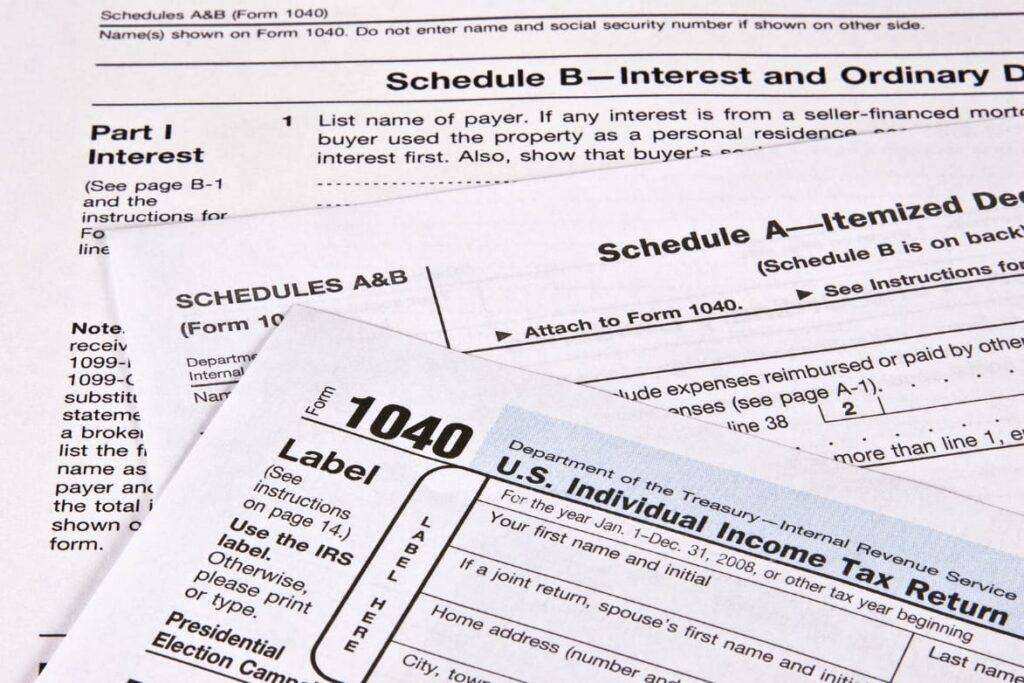
One of the goals of filing for bankruptcy is to get debt relief. Bankruptcy can help you accomplish this goal by eliminating your liability for various debts. Debts that belong in this category are called “dischargeable debts.” There are some situations where tax-related debts are dischargeable, including back tax debts, but strict rules and criteria […]
How to Utilize the Federal Homestead Exemption in Pennsylvania

When you file for Chapter 7 bankruptcy in Pennsylvania, a trustee may sell some of your property in order to repay your creditors. However, you may keep certain property by using protections called “bankruptcy exemptions.” Pennsylvanians have two options when it comes to bankruptcy exemptions: using the Pennsylvania exemptions, or using the federal exemptions. The […]
The 2 Types of Personal Bankruptcy in Pennsylvania: Chapter 7 and 13

If you live in Pennsylvania and are thinking about filing for bankruptcy, you will likely file using Chapter 7 or Chapter 13. But how do you know which of these bankruptcy options is right for you? Our Philadelphia bankruptcy attorneys explain the major differences between Chapter 7 and Chapter 13, including some potential pros and […]
What is a Proof of Claim in Philadelphia Bankruptcy Court?

In Chapter 13 bankruptcy, the debtor proposes a three- to five-year reorganization plan which creates terms for monthly payments on secured, priority, and unsecured debts, generally in that order. Creditors are repaid in full or in part, and in return, the debtor gets to keep all of his or her property. When the plan is […]
When Can a Mortgage Company Start Foreclosure in Philadelphia?
Any major U.S. city has its fair share of foreclosures, but in Philadelphia, the number is higher than average. According to a June 2015 Philadelphia Business Journal report compiled using data from real estate company RealtyTrac, “Greater Philadelphia’s foreclosure activity jumped 28% from last May, ranking it among the five worst metro areas in the […]
How Are Chapter 13 Payments Determined in a Pennsylvania Bankruptcy Case?

According to statistics supplied by the U.S. Bankruptcy Court for the Eastern District of Pennsylvania, which has jurisdiction over Philadelphia and the surrounding counties, most Pennsylvanians who declare bankruptcy do so using Chapter 7 or Chapter 13, with well over 4,000 cases of each filed during the 2016 fiscal year. The main feature that distinguishes […]
Who Gets Paid First in a Chapter 13 Bankruptcy Case in Pennsylvania?

Most people who file for Chapter 13 in Pennsylvania have more than one debt, with some of the most common sources being credit cards, medical bills, and mortgages. If this describes you, you should know some basics about the order your debts will be paid in, and to what extent. By understanding a few key […]